Furnace Leaking Water? Common Causes, What to Do, and When to Call a Professional
You notice it while walking past the furnace. A small puddle on the floor. Damp spots near the unit. Maybe even a musty smell in the utility area.
When a furnace is leaking water, it often catches homeowners off guard because furnaces are not usually associated with moisture. Even so, this is a fairly common issue and one that should not be ignored.
A leaking furnace does not always mean the system is about to fail, but it does signal that something is not working as it should. In some cases, the cause is simple.
In others, the leak points to a problem that can quietly damage your home or reduce how well your furnace performs over time. Keep reading to understand what causes a furnace to leak, what those leaks usually mean, and when taking action can prevent far more expensive problems later on.
Key Takeaways
- Water around a furnace is never normal and usually signals a drainage or airflow issue.
- Clogged condensate lines, drain pan damage, or pump failures are common causes of furnace leaks.
- Ignoring a furnace water leak can lead to system damage, moisture problems, and reduced efficiency.
- Turning the system off and scheduling professional service helps prevent further damage.
- Regular furnace maintenance reduces the risk of leaks by keeping drainage and airflow systems clear.
Why Is My Furnace Leaking Water?
Not all furnaces produce water. High efficiency furnaces, however, create condensation as part of their normal operation. These systems extract more heat from exhaust gases, which causes moisture to form. That condensation is designed to drain safely away through a dedicated system.
When everything is working correctly, you should never see water pooling around your furnace. A leak usually means the condensation is not draining properly or another component is contributing to excess moisture. Identifying the cause early helps prevent damage and keeps your furnace operating safely.
Common Causes of a Furnace Leaking Water
Furnace water leaks usually come from a small number of underlying issues related to condensation, drainage, or airflow.
Here are some of the most common causes that make it easier to identify what may be happening and why professional inspection is often needed:
1. Clogged or Blocked Condensate Drain Line
One of the most common reasons a furnace leaks water is a clogged condensate drain line. Over time, dust, debris, and buildup can restrict the line, preventing water from draining away from the system.
When the drain line is blocked, condensation backs up and spills out near the furnace. This often results in water pooling on the floor around the unit.
2. Cracked or Rusted Condensate Drain Pan
The condensate drain pan collects moisture before it enters the drain line. As furnaces age, drain pans can crack, rust, or deteriorate. Even small cracks can allow water to leak out slowly and go unnoticed until damage occurs.
A damaged drain pan usually requires replacement to restore proper drainage.
3. Condensate Pump Failure
In some homes, a condensate pump moves water away from the furnace when gravity drainage is not possible. If the pump fails, becomes clogged, or loses power, water can back up and leak around the unit.
Pump issues often cause recurring leaks that worsen over time if not addressed.
4. Dirty Air Filter Causing Condensation Issues
A dirty air filter restricts airflow through the furnace. When airflow is limited, heat exchange and condensation processes can be disrupted. This can lead to excess moisture forming inside the system and eventually leaking out.
Replacing filters regularly helps maintain proper airflow and reduces moisture related problems.
5. Vent Pipe or Flue Problems
High efficiency furnaces rely on proper venting to expel exhaust gases and manage condensation. If the vent pipe is blocked, improperly sloped, or disconnected, condensation may not drain correctly.
Vent issues can also affect furnace performance and should be inspected by a professional.
6. Frozen Evaporator Coil Thawing
Although the evaporator coil is part of the cooling system, problems with it can cause water leaks near the furnace. If the coil freezes during cooling season and later thaws, excess water can overwhelm the drain system and leak around the furnace.
This often points to airflow or refrigerant issues that require service.
Is a Leaking Furnace Dangerous?
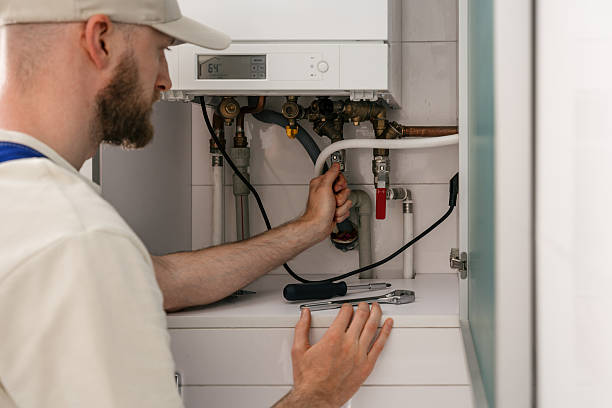
A leaking furnace is not always an immediate safety hazard, but it should still be taken seriously. Water can damage furnace components, electrical connections, and nearby surfaces. Over time, moisture can contribute to corrosion and system inefficiency.
Leaks can also affect indoor air quality if moisture leads to mold growth. Addressing the issue early helps prevent secondary problems and keeps your heating system operating reliably.
What to Do If Your Furnace Is Leaking Water?
If you notice water around your furnace, start by turning the system off to prevent further leakage. This helps protect internal components while you assess the situation.
Visually inspect the area around the furnace for obvious signs such as loose drain lines, standing water, or visible damage. Avoid opening panels or handling internal components if you are not trained to do so.
Do not attempt to clear drain lines or repair electrical parts on your own. Furnaces involve electrical connections and safety controls that require professional handling. Once the system is off, schedule service to identify and correct the underlying cause.
When to Call Warren Mechanical for a Furnace Leak
Some furnace leaks require professional diagnostics to ensure the problem is resolved properly. If water continues to appear, returns after cleanup, or is accompanied by performance issues, professional service is necessary.
Warren Mechanical provides professional furnace repair services designed to identify the root cause of leaks, not just the visible symptoms. Our technicians inspect the condensate system, airflow, venting, and internal components to determine why water is escaping.
Prompt service helps prevent damage, restores proper operation, and ensures your furnace continues to run safely and efficiently.
How Furnace Maintenance Helps Prevent Water Leaks
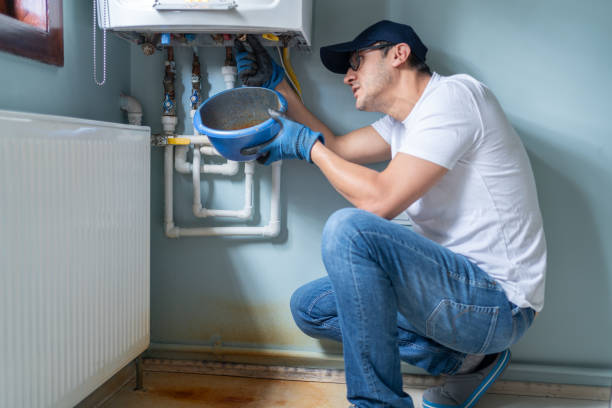
Regular furnace maintenance plays an important role in preventing water leaks by addressing small issues before they cause drainage problems or moisture buildup. Routine inspections help keep condensate systems working properly and reduce the risk of unexpected leaks.
Condensate System Inspections
Routine furnace maintenance includes inspecting the condensate drain line, drain pan, and pump if present. Catching buildup or wear early helps prevent blockages and leaks before they cause damage.
Airflow and Filter Maintenance
Proper airflow plays a major role in controlling condensation. During maintenance visits, technicians check airflow, replace filters as needed, and ensure components are operating correctly. This reduces moisture related problems and supports efficient furnace operation.
Customer Story
A homeowner in Williamson County noticed water pooling near their furnace along with a damp smell developing in the utility area. Concerned about potential damage, they contacted Warren Mechanical for a professional inspection.
Warren Mechanical technician identified a clogged condensate drain line combined with a heavily restricted air filter. The blockage caused water to back up, while limited airflow increased condensation inside the system. We cleared the drain line, replaced the air filter, inspected the drain pan, and tested the furnace to confirm proper drainage and operation.
Once the issue was resolved, the furnace returned to normal operation and the water leak stopped completely. Addressing the problem early helped the homeowner avoid further damage and restore reliable heating.
Wrapping Up;
A furnace leaking water is a sign that something in the system needs attention. While some causes are minor, others can lead to damage if ignored. Understanding why leaks happen and acting quickly helps protect your home and heating equipment.
If you notice water around your furnace, Warren Mechanical is ready to help. Our team provides professional furnace repair and maintenance services to identify leaks, correct the underlying cause, and restore dependable system operation. Contact Warren Mechanical today to schedule service and keep your home protected through the heating season.
Frequently Asked Questions
Is it normal for a furnace to leak water?
Some high efficiency furnaces produce condensation, but water should never pool around the unit. Visible leaks usually indicate a drainage, airflow, or component issue that needs attention to prevent damage or performance problems.
Should I turn my furnace off if it is leaking water?
Yes. Turning the furnace off helps prevent further water damage and protects internal components. Once the system is off, it is best to schedule professional service to identify and correct the cause of the leak safely.
Can a furnace water leak cause mold or damage?
Yes. Ongoing moisture can damage flooring, walls, and furnace components. If water is left unaddressed, it can also contribute to mold growth and indoor air quality concerns, especially in enclosed utility areas.
How much water leaking from a furnace is too much?
Any visible pooling, dripping, or recurring moisture around a furnace is considered too much. Even small leaks can indicate blocked drainage or airflow problems that worsen over time if not repaired.
Can I fix a furnace water leak myself?
Basic steps like turning the system off are safe, but clearing drain lines or handling internal components should be left to professionals. Furnaces involve electrical connections and safety controls that require proper training to service correctly.