
Heat Pump vs Furnace: Which Heating System Is Right for Your Home?
Choosing between a heat pump and a furnace is one of the most common questions homeowners face when upgrading or replacing a heating system. Both options can keep your home comfortable, but they work in very different ways and perform differently depending on climate, energy costs, and how your home is used. What works well for one household may not be the best fit for another.
If you are comparing a heat pump vs furnace, it helps to look beyond surface level features and understand how each system operates day to day. Keep reading to see how these systems differ, where each one performs best, and what factors matter most when deciding which option makes sense for your home.
Key Takeaways
- Heat pumps and furnaces heat homes in very different ways, which affects efficiency and performance.
- Heat pumps offer heating and cooling in one system and work best in moderate climates.
- Furnaces provide strong, consistent heat and perform reliably in colder weather.
- Installation and operating costs vary based on energy prices, climate, and home setup.
- Choosing the right system depends on comfort needs, budget, and professional evaluation.
What Is a Heat Pump and How Does It Work?
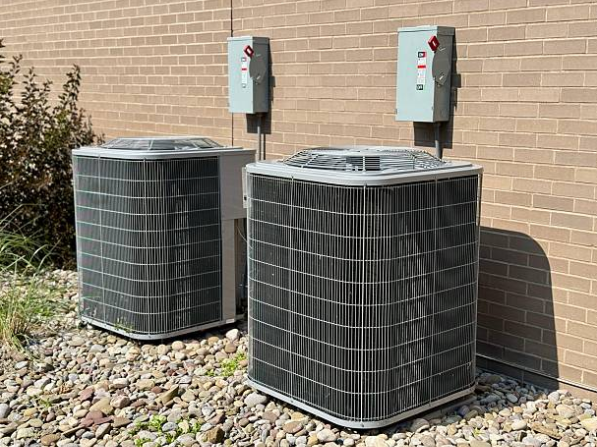
A heat pump is a system that moves heat rather than creating it. During colder months, it pulls heat from the outdoor air and transfers it inside your home. In warmer months, the process reverses, and the system removes heat from inside and releases it outdoors.
Because a heat pump transfers heat instead of generating it, it can operate very efficiently in moderate temperatures. Heat pumps also provide both heating and cooling, which means one system can handle year round comfort. Many homeowners like heat pumps for their energy efficiency and ability to maintain steady indoor temperatures.
What Is a Furnace and How Does It Work?
A heat pump is a system that moves heat rather than creating it. During colder months, it pulls heat from the outdoor air and transfers it inside your home. In warmer months, the process reverses, and the system removes heat from inside and releases it outdoors.
Because a heat pump transfers heat instead of generating it, it can operate very efficiently in moderate temperatures. Heat pumps also provide both heating and cooling, which means one system can handle year round comfort. Many homeowners like heat pumps for their energy efficiency and ability to maintain steady indoor temperatures.
Heat Pump vs Furnace: Key Differences Explained
The main difference between a heat pump and a furnace comes down to how heat is produced and delivered. A heat pump transfers existing heat, while a furnace creates heat through combustion or electrical resistance.
This difference affects efficiency, operating costs, performance in cold weather, and overall system behavior. Understanding these distinctions helps you set realistic expectations for comfort and energy use.
Heat Pump vs Furnace Comparison Table
Feature | Heat Pump | Furnace |
Primary Function | Heating and cooling | Heating only |
Energy Source | Electricity | Gas or electricity |
Efficiency | High in mild climates | Strong in colder conditions |
Operating Costs | Lower in moderate temperatures | Varies by fuel cost |
Cold Weather Performance | Can decline in extreme cold | Consistent heat output |
Installation Cost | Often higher upfront | Often lower upfront |
Maintenance Needs | Moderate | Moderate |
Typical Lifespan | 10 to 15 years | 15 to 20 years |
This table provides a general overview. Actual performance and costs depend on your home, climate, insulation, and energy prices.
Which System Is More Energy Efficient?
Energy efficiency depends heavily on climate and usage patterns. Heat pumps are generally more efficient in areas with mild to moderate winters because they move heat rather than generate it. This can lead to lower energy consumption during typical heating cycles.
Furnaces, especially gas furnaces, are highly effective in colder climates where outdoor temperatures drop significantly. While they may use more energy, they deliver reliable heat regardless of outdoor conditions. Efficiency ratings matter, but real world performance should always be considered.
Which System Is More Energy Efficient?
Energy efficiency depends heavily on climate and usage patterns. Heat pumps are generally more efficient in areas with mild to moderate winters because they move heat rather than generate it. This can lead to lower energy consumption during typical heating cycles.
Furnaces, especially gas furnaces, are highly effective in colder climates where outdoor temperatures drop significantly. While they may use more energy, they deliver reliable heat regardless of outdoor conditions. Efficiency ratings matter, but real world performance should always be considered.
Heat Pump vs Furnace: Cost Considerations
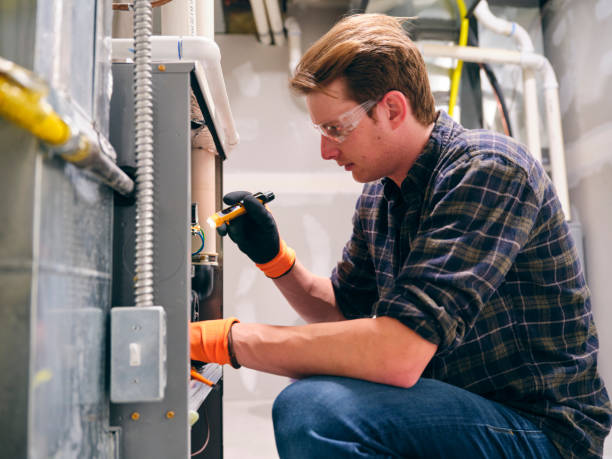
The cost of a heat pump or furnace depends on several factors, including system type, installation requirements, and how the system is used over time. Looking at these cost elements side by side makes it easier to understand what to expect before making a decision.
Installation Costs
Heat pumps often have higher upfront installation costs, especially when replacing an older system that was not designed for heat pump operation. Additional electrical work or equipment upgrades may be required.
Furnaces typically have lower initial installation costs, particularly if a gas line and ductwork are already in place. The simplicity of furnace installation can make it more affordable upfront.
Operating Costs
Operating costs depend on local energy prices and system efficiency. Heat pumps tend to cost less to operate in moderate climates where they do not have to work as hard. In colder conditions, operating costs may increase as the system runs longer.
Furnace operating costs vary based on fuel type. Gas furnaces can be cost effective in areas with affordable natural gas, while electric furnaces may cost more to operate.
Long Term Value
Long term value includes lifespan, maintenance, and energy usage over time. Furnaces generally last longer than heat pumps, but heat pumps may offset shorter lifespans with lower operating costs in the right conditions.
Choosing the right system balances upfront investment with ongoing expenses and expected service life.
Comfort and Performance Differences
Heat pumps deliver heat gradually and maintain steady indoor temperatures. This can feel more even and comfortable to some homeowners. Because heat pumps run longer cycles, temperature swings are often smaller.
Furnaces deliver heat quickly and produce warmer air during heating cycles. Some homeowners prefer this stronger heat output, especially during very cold weather. The choice often comes down to personal comfort preference.
Which System Works Best for Your Climate?
Climate plays a major role in deciding between a heat pump and a furnace. Heat pumps perform best in regions with moderate winter temperatures. In areas where temperatures drop well below freezing for extended periods, furnaces often provide more consistent performance.
Some homeowners choose hybrid systems that combine a heat pump with a furnace. These systems use the heat pump during milder conditions and switch to the furnace when temperatures drop. A professional evaluation helps determine if this option makes sense for your home.
When to Call Warren Mechanical to Discuss Your Options
Choosing between a heat pump and a furnace is not a one size fits all decision. Home size, insulation, ductwork, energy costs, and comfort goals all play a role.
Warren Mechanical helps homeowners evaluate their heating options based on real world conditions, not assumptions. Our team can assess your current system, review your comfort needs, and explain which option aligns best with your home and budget. Professional guidance helps ensure your investment delivers reliable comfort for years to come.
Final Thoughts
The heat pump vs furnace decision comes down to understanding how each system fits your home, climate, and energy priorities. Both options can deliver reliable heating when properly selected and installed.
If you are considering a new heating system or replacing an existing one, Warren Mechanical is ready to help. Our team provides professional installation and system evaluations to ensure you choose the right solution for your home. Contact Warren Mechanical today to schedule a consultation and take the next step toward dependable comfort.
Frequently Asked Questions
Is a heat pump better than a furnace?
A heat pump is not automatically better than a furnace. The right choice depends on climate, energy costs, home insulation, and comfort preferences. Heat pumps work well in moderate temperatures, while furnaces provide strong, consistent heat in colder conditions.
Do heat pumps work in cold weather?
Heat pumps can operate in cold weather, but efficiency may decrease as outdoor temperatures drop. In very cold climates, systems may rely more on backup heating or perform better when paired with a furnace in a hybrid setup.
Which system costs more to run?
Operating costs depend on local electricity and fuel prices. Heat pumps often cost less to run in mild climates, while gas furnaces may be more cost effective where natural gas prices are lower and winters are colder.
Can a heat pump replace a furnace?
Yes, a heat pump can replace a furnace in many homes, especially in moderate climates. However, compatibility, insulation, and heating demands should be evaluated to ensure the system can meet comfort needs year round.
How long do heat pumps and furnaces last?
Heat pumps typically last between 10 and 15 years, while furnaces often last 15 to 20 years. Lifespan depends on installation quality, maintenance, and how frequently the system is used.