7 Signs You Need HVAC Repair and When to Call a Professional
Your HVAC system rarely fails without warning. Long before it stops working completely, it usually sends out small signals that something is not right.
The challenge for most homeowners is recognizing those signs early and understanding which ones matter. A system that seems slightly off today can turn into a much larger repair if the warning signs are ignored.
Many HVAC problems start quietly. Comfort becomes inconsistent. Energy bills rise without explanation. Strange noises or smells appear and disappear. These issues often feel easy to dismiss, especially if the system still turns on.
Stick to the end of this blog to understand the most common signs you need HVAC repair and how to know when it is time to call a professional before a minor issue turns into a major breakdown.
Key Takeaways
- HVAC systems often show warning signs before a full breakdown occurs.
- Changes in airflow, temperature control, noises, or odors usually signal a need for HVAC repair.
- Ignoring early HVAC issues can lead to higher energy bills and more extensive system damage.
- Urgent signs like system shutdowns or ice buildup should be addressed immediately.
- Professional HVAC repair helps restore performance and prevent repeat problems.
What Are the Early Signs You Need HVAC Repair?
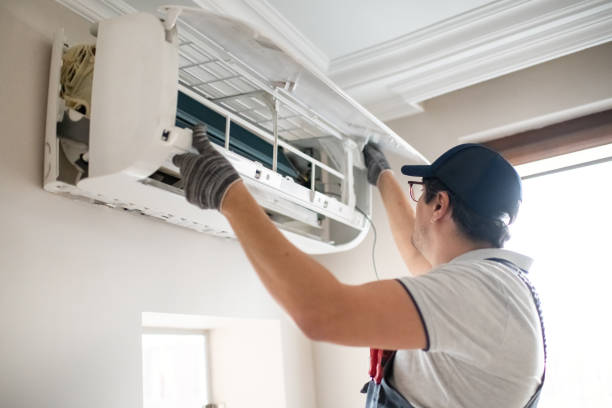
Early HVAC problems do not always cause complete system failure. In many cases, your heating or cooling system continues running while operating inefficiently or under strain. These early warning signs are important because they often point to repairable issues that are less expensive to address when caught early.
Ignoring small changes in performance allows problems to spread to other components. What starts as restricted airflow or a minor electrical issue can eventually affect major parts like the compressor or blower motor. Paying attention to early signs helps protect both comfort and system lifespan.
Common Signs You Need HVAC Repair
HVAC problems often show up through changes in comfort, performance, or system behavior before a complete breakdown occurs.
Paying attention to these warning signs can help you identify repair needs early and avoid unnecessary stress, higher energy costs, or unexpected system failures.
1. Your HVAC System Is Blowing Warm or Cold Air Incorrectly
One of the clearest signs you need HVAC repair is when the system blows air that does not match your thermostat settings. Warm air during the cooling season or cold air during the heating season usually points to mechanical or control issues.
Possible causes include refrigerant problems, faulty components, or airflow restrictions. Even if the system eventually reaches the desired temperature, inconsistent output signals inefficiency and strain.
2. Weak or Uneven Airflow From Vents
If some rooms feel comfortable while others remain warm or cold, airflow problems may be developing. Weak airflow can result from clogged filters, duct issues, or failing blower components.
Uneven airflow forces your HVAC system to work harder to maintain comfort. Over time, this can increase energy use and shorten system life.
3. Strange Noises Coming From the System
HVAC systems produce some normal operational sounds, but unusual noises should never be ignored. Grinding, rattling, buzzing, or squealing sounds often indicate loose parts, motor issues, or electrical problems.
These noises tend to worsen over time. Addressing them early helps prevent more extensive damage.
4. Unusual or Persistent Odors
Odors coming from your HVAC system are another sign repair may be needed. A burning smell can indicate electrical issues. Musty odors may point to moisture buildup or airflow problems. Chemical smells can signal refrigerant concerns.
Any odor that persists or returns frequently should be evaluated by a professional.
5. HVAC System Turns On and Off Frequently
Frequent cycling, often called short cycling, occurs when your HVAC system turns on and off too often. This issue reduces efficiency and places extra strain on system components.
Short cycling can be caused by thermostat problems, airflow restrictions, or mechanical failures. Left unresolved, it increases wear and energy costs.
6. Rising Energy Bills Without Increased Usage
When energy bills climb without changes in usage or weather conditions, inefficient HVAC operation is often the cause. A struggling system uses more energy to deliver the same level of comfort.
Small mechanical issues can significantly impact efficiency over time. HVAC repair helps restore proper operation and control costs.
7. Thermostat Not Responding Properly
When the thermostat does not respond to adjustments or displays inaccurate readings, the HVAC system may not receive correct instructions. This can lead to comfort issues and erratic system behavior.
Thermostat problems often overlap with HVAC repair needs and should be evaluated together rather than in isolation.
Signs Your HVAC Repair Needs Are Urgent
Some HVAC issues require immediate attention to prevent damage or safety concerns.
1. HVAC System Will Not Turn On
If your HVAC system does not turn on at all, professional service is needed. Electrical issues, component failures, or safety shutdowns may be preventing operation.
Continuing to reset or force the system can worsen the problem.
2. System Shuts Down Unexpectedly
Unexpected shutdowns often occur when the system detects unsafe operating conditions. These protective shutdowns help prevent damage but signal an underlying issue that needs repair.
Repeated shutdowns should never be ignored.
3. Ice on the Outdoor or Indoor Unit
Ice buildup on HVAC components is a serious sign of airflow or refrigerant issues. Running the system in this condition can damage components and reduce efficiency.
If you notice ice, turn the system off and schedule professional service.
What Happens If You Delay HVAC Repairs?
Delaying HVAC repair allows small issues to spread. Components that compensate for failing parts experience increased strain. Over time, this leads to additional breakdowns and higher repair costs.
Comfort also suffers. Systems struggle to maintain consistent temperatures, humidity control declines, and energy use increases. In extreme cases, delayed repairs can result in complete system failure.
Timely repair helps preserve system performance and avoids unnecessary replacements.
When to Call Warren Mechanical for HVAC Repair
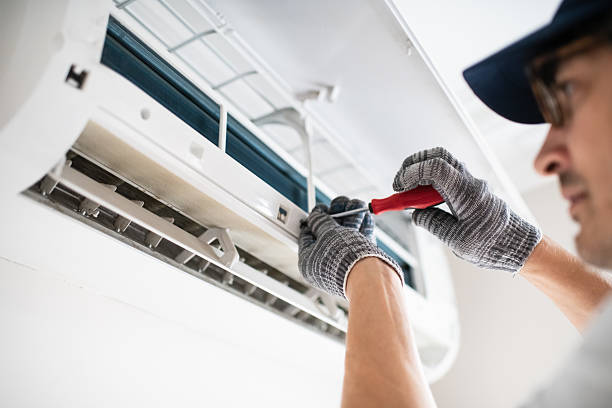
When warning signs persist or worsen, professional diagnostics are the safest and most effective solution. HVAC systems involve electrical components, refrigerant circuits, and moving parts that require proper training to service.
Warren Mechanical provides professional HVAC repair services designed to identify root causes, not just symptoms.
Our technicians evaluate system performance, inspect critical components, and recommend repairs that restore reliability and efficiency.
Calling Warren Mechanical early helps prevent repeat issues and protects your HVAC investment.
Can Regular Maintenance Reduce the Need for HVAC Repairs?
Regular HVAC maintenance plays an important role in catching small issues before they develop into larger repair problems. While maintenance cannot prevent every breakdown, it helps identify system concerns early and keeps your heating and cooling equipment operating more reliably over time.
How Maintenance Identifies Problems Early
Routine HVAC maintenance helps identify worn components, airflow restrictions, and electrical issues before they escalate. Inspections, testing, and system adjustments keep your HVAC system operating within proper parameters.
Maintenance does not eliminate all repair needs, but it significantly reduces unexpected breakdowns.
When Maintenance Is Not Enough
Maintenance cannot fix failing components or correct major system issues. If your system shows clear warning signs, repair is necessary. Maintenance works best as a preventive tool, not a substitute for professional repair. Understanding the difference will help you make timely decisions.
Final Thoughts
HVAC systems communicate problems through changes in performance, sound, and comfort. Recognizing the signs you need HVAC repair allows you to act before minor issues turn into major disruptions.
If your system is showing any of these warning signs, Warren Mechanical is ready to help. Our team provides professional HVAC repair services focused on accuracy, reliability, and long term performance. Contact Warren Mechanical today to schedule HVAC repair and restore comfort to your home.
Frequently Asked Questions
How do I know if my HVAC system needs repair or replacement?
HVAC repair is usually the right choice when issues are isolated and the system still cools or heats intermittently. Replacement becomes more likely if repairs are frequent, performance is poor, or the system is nearing the end of its expected lifespan.
Can HVAC problems get worse quickly?
Yes. Some HVAC issues escalate faster than expected, especially airflow, electrical, or refrigerant related problems. What starts as reduced comfort can quickly lead to system shutdowns or component damage if repairs are delayed.
Is it safe to keep running an HVAC system that is not working properly?
Running a malfunctioning HVAC system can place extra strain on internal components and increase energy use. In certain cases, continued operation can cause further damage or trigger safety shutdowns, making professional inspection important.
How long can I wait before scheduling HVAC repair?
Minor performance changes should be addressed as soon as possible. Waiting too long can turn manageable repairs into larger issues, especially during peak heating or cooling seasons when systems are under more stress.
Do strange HVAC noises always mean a repair is needed?
Not always, but persistent or unusual noises usually indicate mechanical or electrical issues. Sounds that repeat, worsen, or occur during startup or shutdown should be evaluated to prevent further system damage.
Will HVAC maintenance eliminate the need for repairs?
Maintenance reduces the likelihood of unexpected breakdowns but does not eliminate repair needs entirely. Wear and aging components can still fail over time, which is why repairs may be necessary even with regular system maintenance.