Thermostat Not Working? Common Causes, Fixes, and When to Call a Professional
You notice it when the house feels off. The air feels warmer than it should, or colder than expected. You walk over, adjust the thermostat, wait for the familiar sound of the system kicking on, and nothing happens.
A few more adjustments. Still no response. When a thermostat is not working, it quickly turns from a small annoyance into a full comfort issue.
For many homeowners, thermostat problems are confusing because the system itself may look fine. The unit is quiet. The breaker has not tripped. Yet the heating or cooling refuses to cooperate.
In many cases, the problem does not start with the HVAC equipment at all. It starts with the control that tells everything else what to do. Small thermostat issues can quietly disrupt comfort, drive up energy use, or keep your system from responding when you need it most.
Keep reading to understand what your thermostat may be telling you and how to catch problems early before they turn into costly system issues.
Key Takeaways
- Thermostat issues often cause HVAC problems even when the system itself is in good condition.
- Unresponsive screens, incorrect temperatures, or short cycling are common signs a thermostat is not working properly.
- Simple checks like batteries and settings can help identify basic thermostat problems early.
- Ignoring thermostat issues can strain HVAC components and increase energy usage over time.
- Professional diagnostics help ensure your thermostat and HVAC system communicate correctly.
What Does It Mean When Your Thermostat Is Not Working?
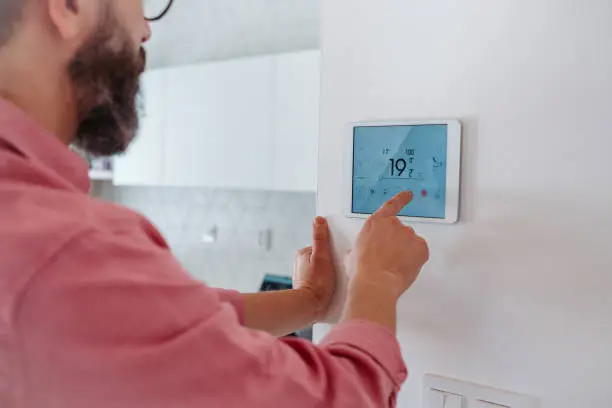
When your thermostat is not working, your HVAC system is no longer receiving clear instructions. The thermostat is responsible for telling your system when to turn on, when to shut off, and how long to run. If that communication breaks down, your system may stop responding entirely or behave in unpredictable ways.
This does not always mean the thermostat has failed completely. In some cases, it is sending inaccurate signals. In others, it is not sending any signal at all. Either way, the result is the same. Your home does not stay at the temperature you set, and comfort becomes inconsistent.
Common Signs Your Thermostat Is Not Working Properly
Thermostat issues rarely appear out of nowhere. Most homeowners notice a few warning signs before the problem becomes obvious.
1. HVAC System Not Turning On or Off
One of the clearest signs is when your heating or cooling system does not respond to thermostat changes. You raise or lower the temperature, but the system remains idle. This often points to a communication or power issue between the thermostat and the HVAC system.
2. Incorrect Temperature Readings
If the thermostat displays a temperature that does not match how your home feels, the internal sensor may not be reading the room correctly. This can cause the system to run longer than needed or shut off too early, leading to uneven comfort.
3. Thermostat Screen Is Blank or Unresponsive
A blank screen usually signals a power problem. Dead batteries, wiring issues, or electrical interruptions can all prevent the thermostat from operating properly.
4. System Short Cycling or Running Constantly
When a thermostat sends inconsistent signals, the HVAC system may turn on and off repeatedly or run nonstop. Both situations place unnecessary stress on system components and increase energy use.
Why Is Your Thermostat Not Working?
Several issues can cause a thermostat to stop functioning correctly. Some are simple, while others require professional evaluation.
Here are some reasons:
Dead Batteries or Power Supply Issues
Battery powered thermostats depend on steady voltage. When batteries run low, the thermostat may lose accuracy or shut down completely. Hardwired thermostats can also lose power due to electrical issues within the home.
Loose or Damaged Wiring
Wiring connects the thermostat to your HVAC system. Over time, connections can loosen or wires can become damaged. When signals cannot travel properly, system response becomes unreliable.
Dirty or Faulty Internal Sensors
Dust buildup inside the thermostat can interfere with temperature readings. Aging sensors may also lose accuracy, causing the system to run longer or shorter than necessary.
Incorrect Thermostat Settings
Programming errors are common, especially with programmable or smart thermostats. Incorrect modes, schedules, or temperature settings can prevent the system from running when expected.
Compatibility Issues With Your HVAC System
Not all thermostats are compatible with all HVAC systems. If a thermostat was recently replaced or the system upgraded, compatibility problems may prevent proper communication.
Aging or Failing Thermostat Unit
Most thermostats are designed to last around ten years. As components age, reliability declines. Older units may struggle to maintain accuracy or fail altogether.
How to Troubleshoot a Thermostat Not Working
There are a few safe steps you can take to identify basic thermostat issues before scheduling professional service. These checks focus on common problems that do not require tools or technical experience.
- Check the thermostat batteries if your unit uses them. Weak batteries can cause delayed responses, inaccurate readings, or a blank screen. Replace the batteries even if the display is still on, since low power can affect performance before the screen goes dark.
- Confirm the thermostat settings are correct. Make sure it is set to heating or cooling rather than fan only. Double check the temperature setting and verify that no inactive schedules or programmed modes are preventing the system from turning on.
- Inspect your electrical panel for any tripped breakers connected to the HVAC system. A tripped breaker can cut power to the thermostat or system components, especially if the screen is blank or unresponsive.
- Lightly clean the thermostat exterior using a soft cloth to remove dust buildup. Dirt around buttons or vents can interfere with temperature sensing over time.
If your system still does not respond after these steps, it is best to stop troubleshooting. Thermostat wiring and electrical components should only be handled by trained professionals to avoid safety risks and prevent damage to your HVAC system.
Can a Faulty Thermostat Affect Your HVAC System?
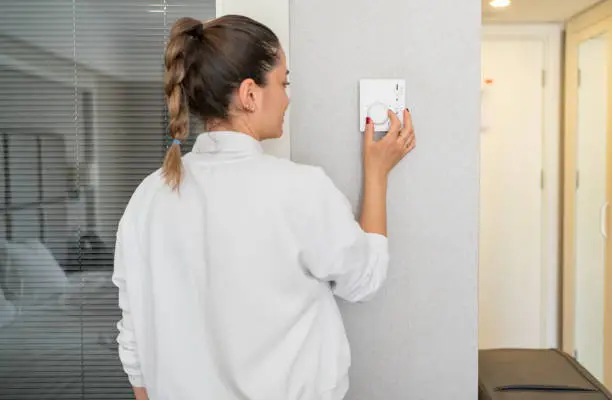
Yes. A faulty thermostat can create ongoing problems for your HVAC system if left unresolved. Incorrect signals can cause the system to short cycle, run excessively, or fail to operate when needed.
Over time, this places extra strain on components like the compressor, blower motor, and heat exchanger. It can also lead to higher energy bills and uneven indoor temperatures. Addressing thermostat issues early helps protect system performance and reduce unnecessary wear.
When to Call Warren Mechanical for a Thermostat Issue
Some thermostat problems require professional attention to ensure safety and proper operation.
If your thermostat remains unresponsive after basic checks, or if your system behaves unpredictably, professional diagnostics are needed. Wiring problems, compatibility issues, and internal thermostat failures are best handled by trained HVAC technicians.
Warren Mechanical provides professional HVAC service for homeowners experiencing thermostat related problems.
Our team can identify whether the issue lies with the thermostat itself, the wiring, or the HVAC system and recommend the correct solution. Proper diagnostics help restore reliable system communication and prevent repeat issues.
Should You Repair or Replace a Thermostat?
You should base the decision to repair or replace your thermostat on its age, reliability, and how well it works with your HVAC system. If your thermostat is older and keeps causing issues, replacing it often gives you better long-term reliability than fixing it again and again.
If you are thinking about upgrading, smart thermostats can give you more control with features like remote access, scheduling, and energy tracking. That said, not every HVAC system supports smart technology. A professional can help you decide whether an upgrade makes sense for your home and how you use your system.
Cost matters too. You can usually fix simple problems like dead batteries or minor wiring issues quickly and affordably. But if your thermostat fails repeatedly or uses outdated technology, replacing it can save you money and frustration in the long run while improving comfort and efficiency.
How to Prevent Thermostat Problems in the Future
Preventing thermostat issues starts with simple maintenance. Replace batteries regularly and keep the unit clean and free of dust. Avoid placing thermostats near heat sources, drafts, or direct sunlight that can affect readings.
Routine HVAC maintenance also plays an important role. During maintenance visits, technicians can inspect thermostat operation, wiring, and calibration as part of overall system care. Staying proactive helps reduce unexpected failures and keeps your system running efficiently.
On A Final Note;
When a thermostat is not working, comfort problems can escalate quickly. While some issues are simple, others require professional diagnosis to avoid unnecessary strain on your HVAC system.
If your thermostat continues to cause problems or your heating and cooling system is not responding properly, Warren Mechanical is ready to help.
Our team provides professional HVAC service to identify thermostat issues and restore reliable system operation. Contact Warren Mechanical today to schedule service and keep your home comfortable through every season.
FAQs
Can a thermostat stop working suddenly without warning?
Yes. A thermostat can stop working suddenly due to battery failure, electrical interruptions, internal component failure, or wiring issues. Even if it worked recently, small power or sensor problems can cause an abrupt loss of system communication.
Does the location of a thermostat affect how it works?
Yes. Thermostats placed near windows, doors, kitchens, or direct sunlight can misread room temperature. Poor placement can cause inaccurate readings, uneven comfort, and improper system operation even when the thermostat itself is functioning.
Can a thermostat cause my HVAC system to turn on at the wrong times?
Yes. Faulty sensors, incorrect programming, or internal malfunctions can cause a thermostat to trigger heating or cooling cycles unexpectedly. This can lead to discomfort, wasted energy, and unnecessary system wear if not corrected.
Will resetting my thermostat fix the problem?
In some cases, resetting a thermostat can resolve minor software or programming issues. However, if the problem is related to wiring, power supply, or failing internal components, a reset will not solve the underlying issue.
Is it safe to replace a thermostat myself?
Basic thermostat replacement may seem simple, but incorrect wiring or compatibility issues can damage your HVAC system. Professional installation ensures proper setup, correct wiring connections, and reliable communication between the thermostat and your heating and cooling equipment.
Can a bad thermostat increase my energy bills?
Yes. When a thermostat sends incorrect signals, your HVAC system may run longer than needed or cycle inefficiently. This can lead to higher energy usage and increased utility costs over time.